Winnebago Revel & Sprinter RV Insulation and Sound Deadening
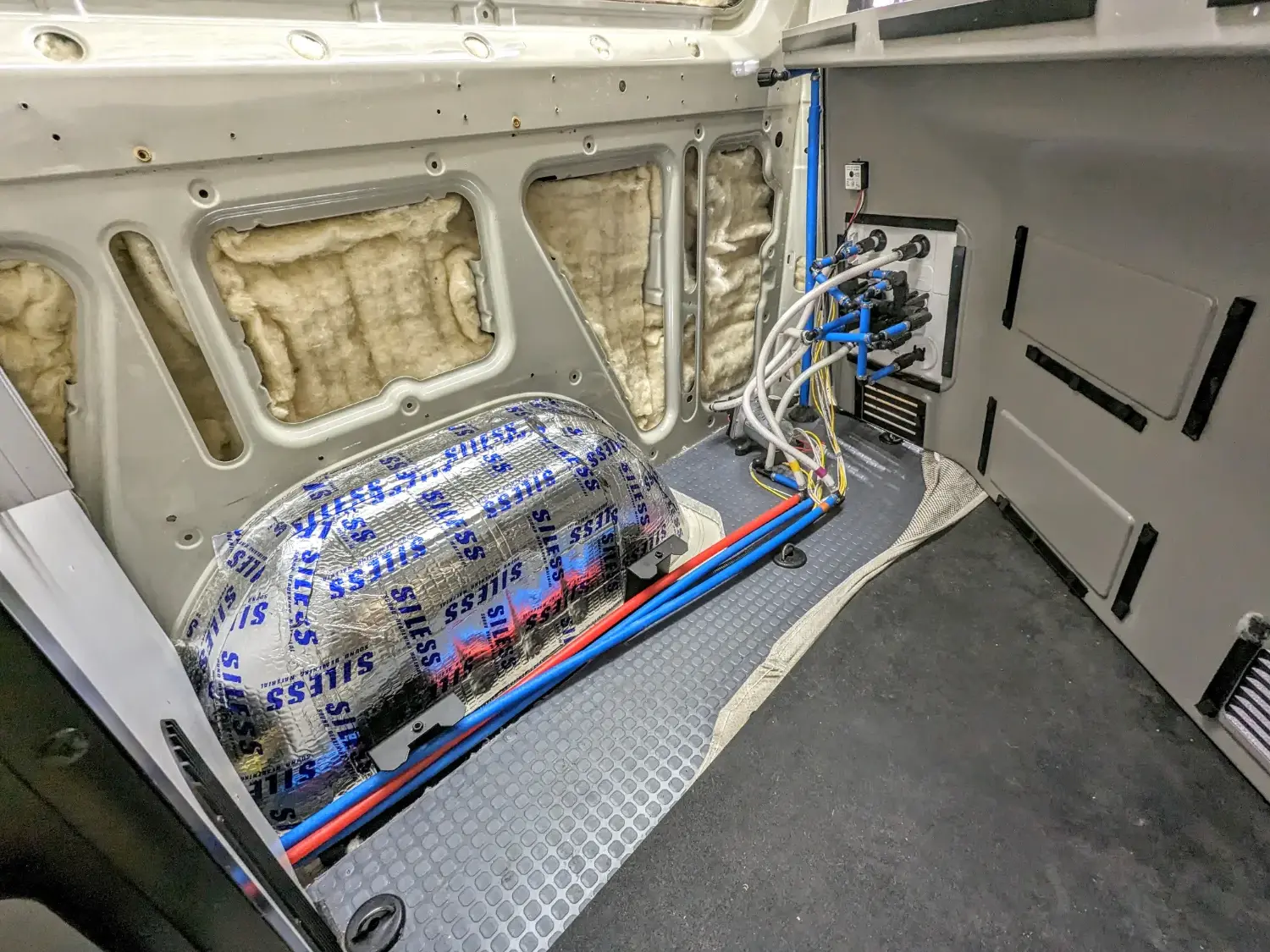
Current quotes use 3M Thinsulate where the vehicle and installation zone are supported. The photo above documents earlier wool work.
Targeted insulation and sound-deadening work for completed Revels and supported Sprinter-based RVs, scoped around access, nearby systems, and the areas you want treated.
Sprinter & Revel
Insulation & Sound Deadening Services
Target the accessible panels and cavities that match the approved service scope.
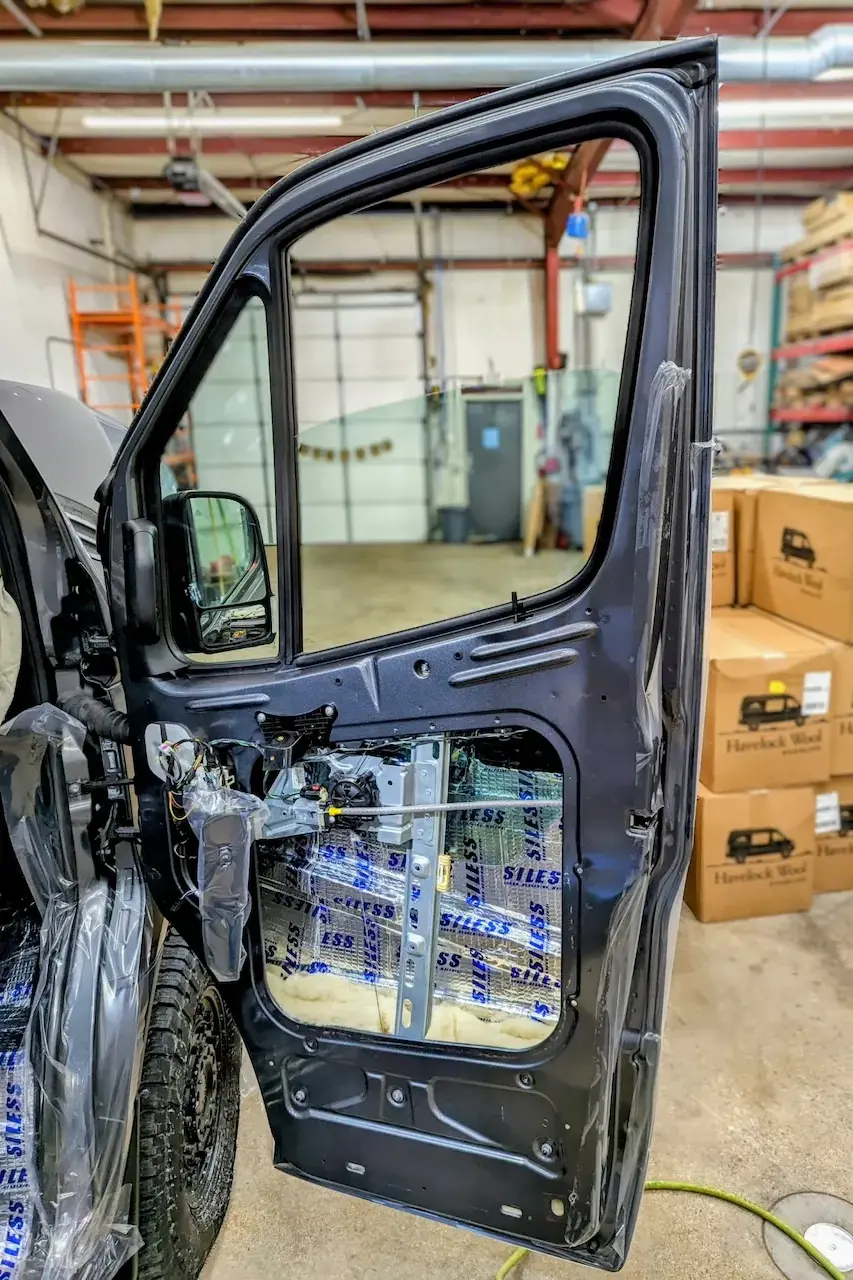
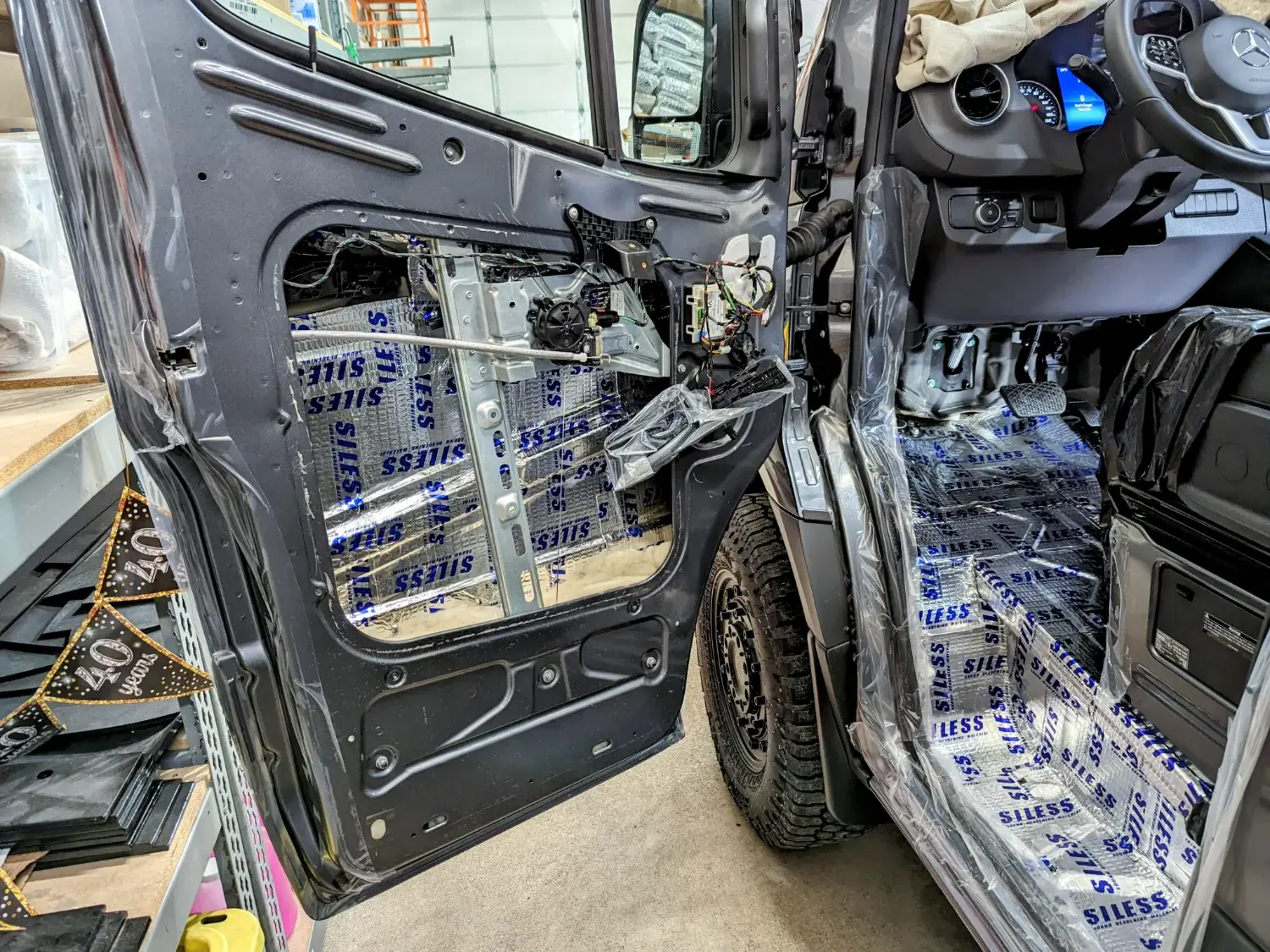
Sprinter Front Doors
Add targeted sound-deadening and insulation to the supported front-door scope.
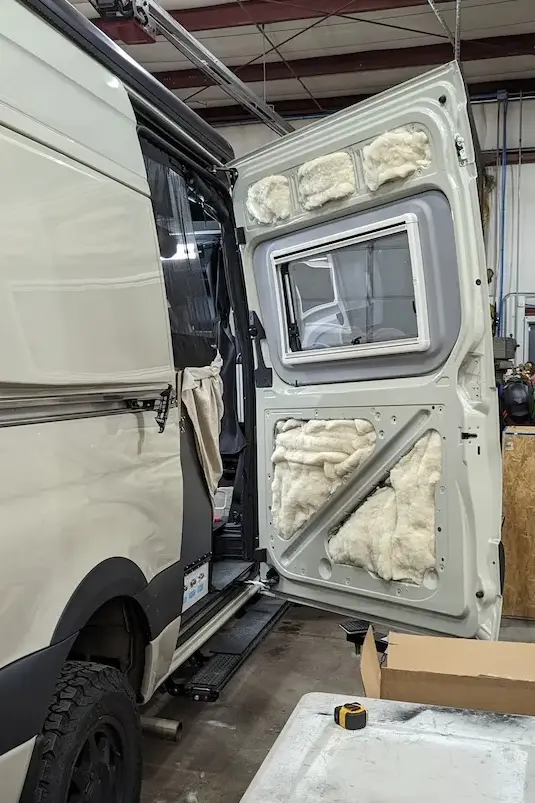
Sprinter Sliding Door
Treat the supported non-electric sliding-door scope for vibration and thermal comfort.
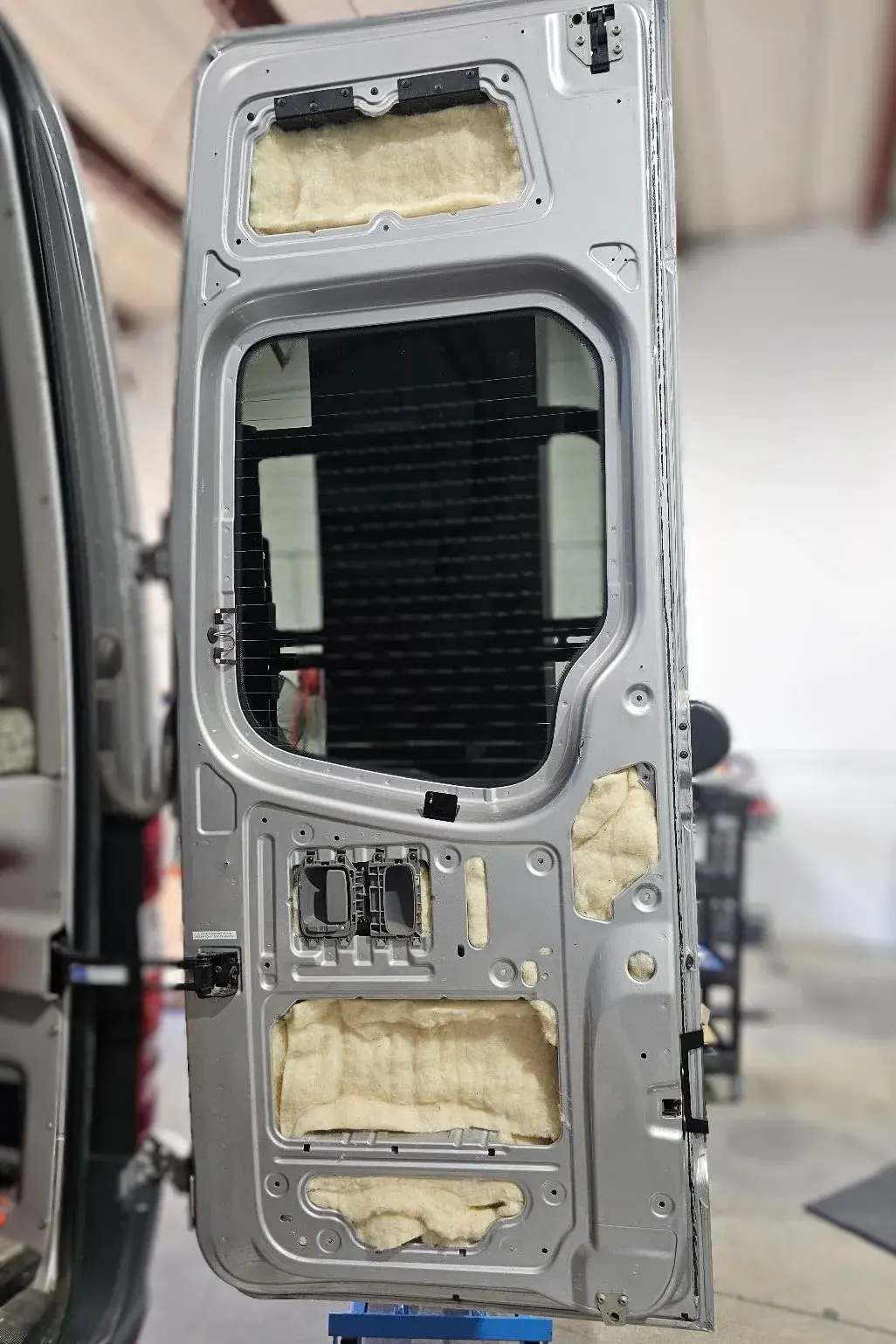
Sprinter Rear Doors
Add targeted sound-deadening and insulation to the supported rear-door scope.
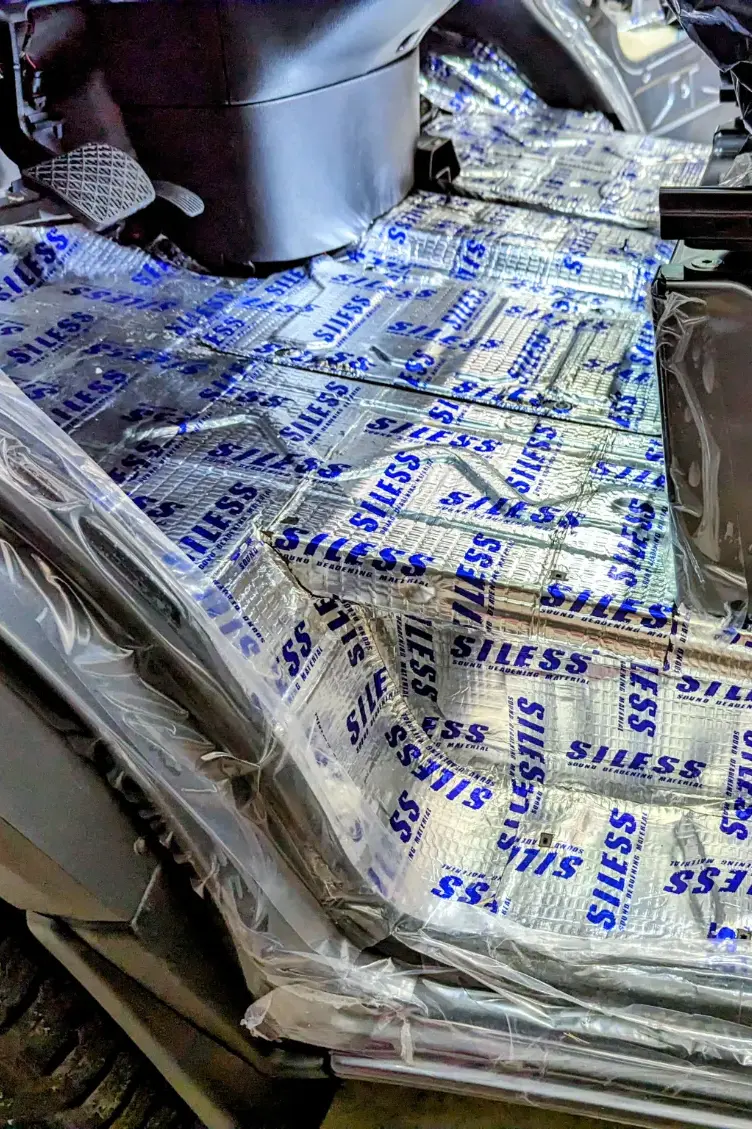
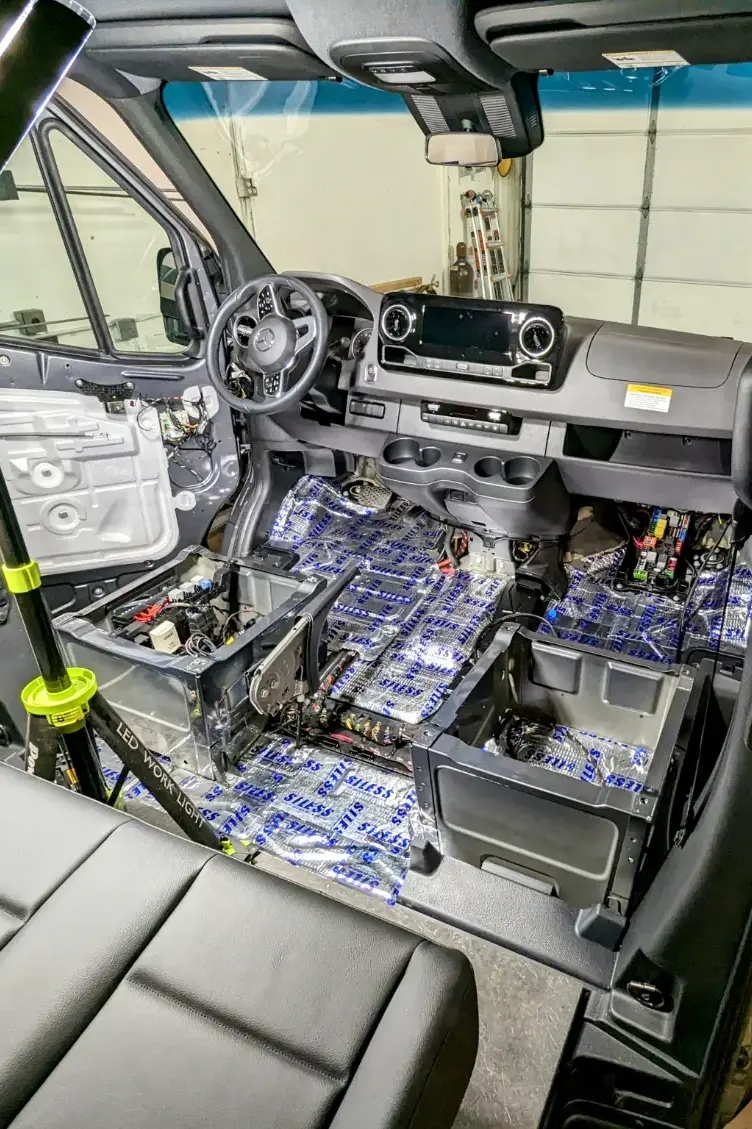
Sprinter Cockpit Floor
Treat the named accessible area with insulation and sound-deadening material matched to the approved scope.
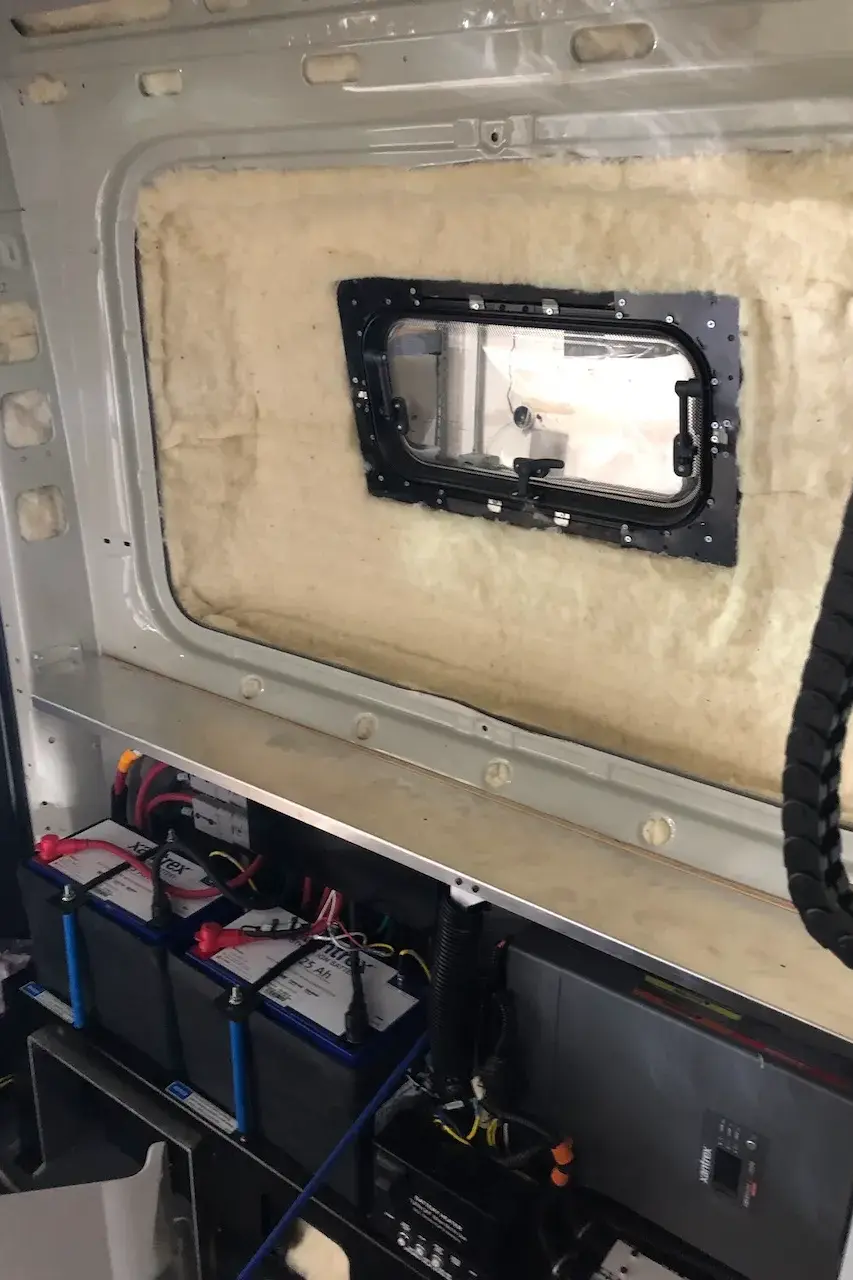
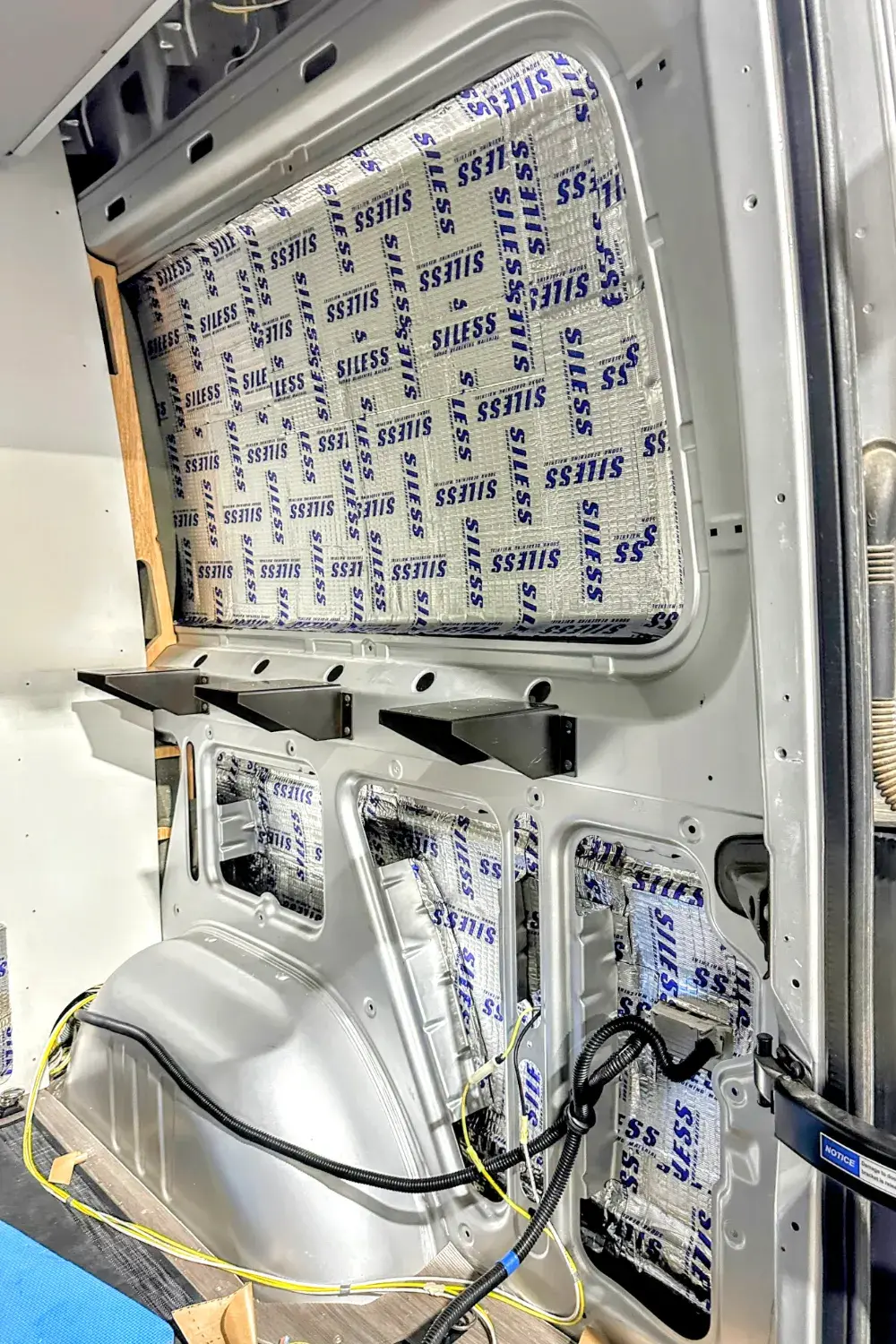
Revel Driver Garage Wall
Treat the named accessible area with insulation and sound-deadening material matched to the approved scope.
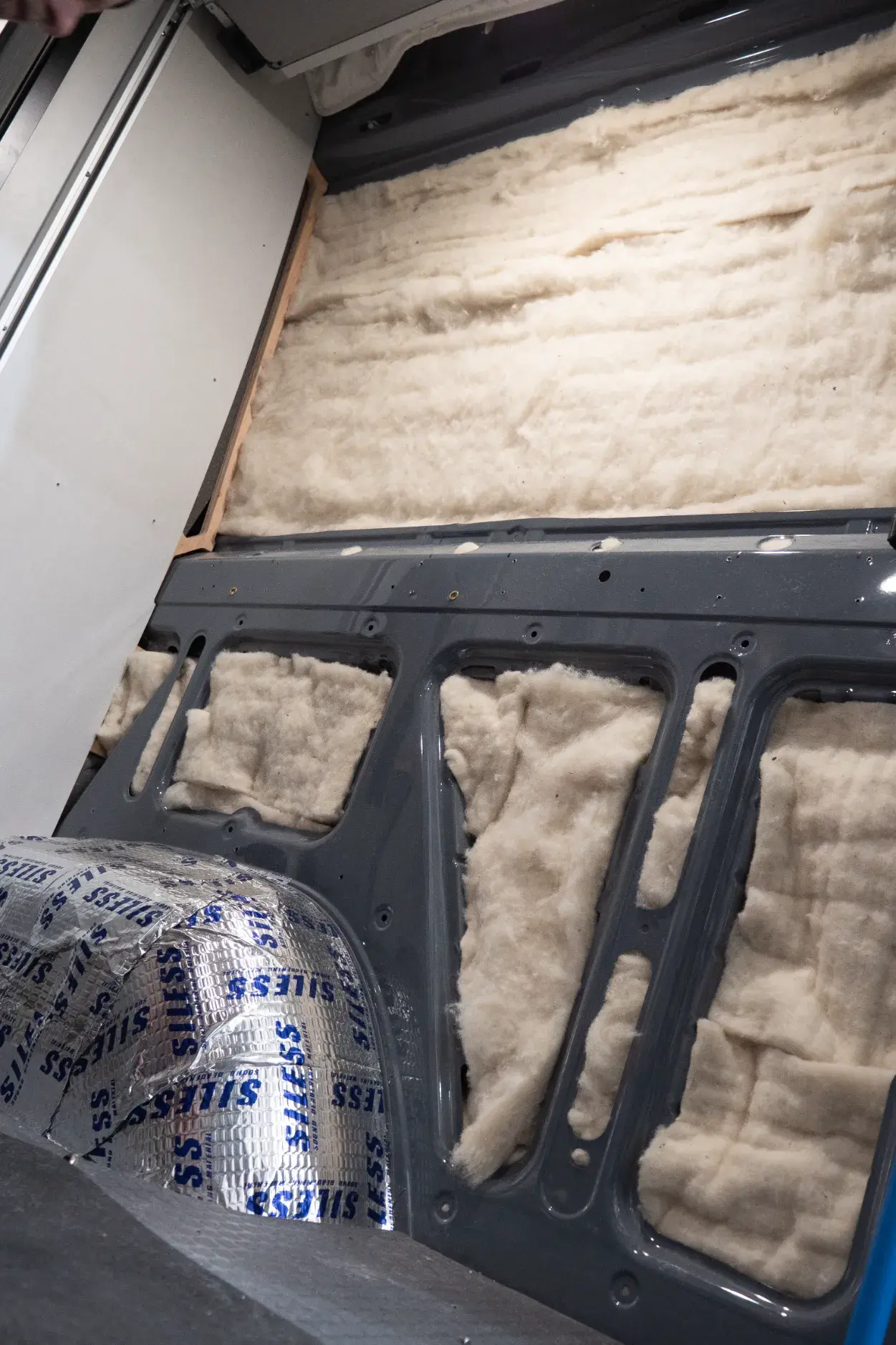
Revel Passenger Garage Wall
Treat the named accessible area with insulation and sound-deadening material matched to the approved scope.
Material Selection Follows The Approved Scope
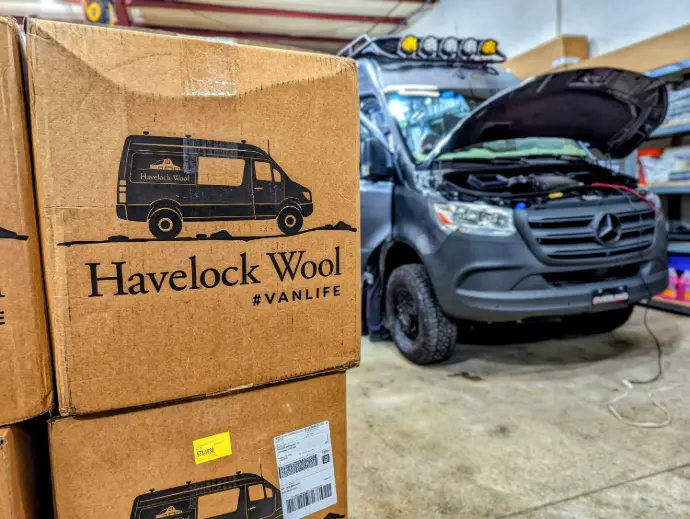
We no longer offer Havelock wool insulation. New quotes for this service use 3M Thinsulate where the vehicle and installation zone are supported. Some photos and wording on this page document earlier wool work; they do not show the material specified in a current quote. Please request a current quote to confirm the exact material, fitment, scope, and price.
Custom Tailored Solutions
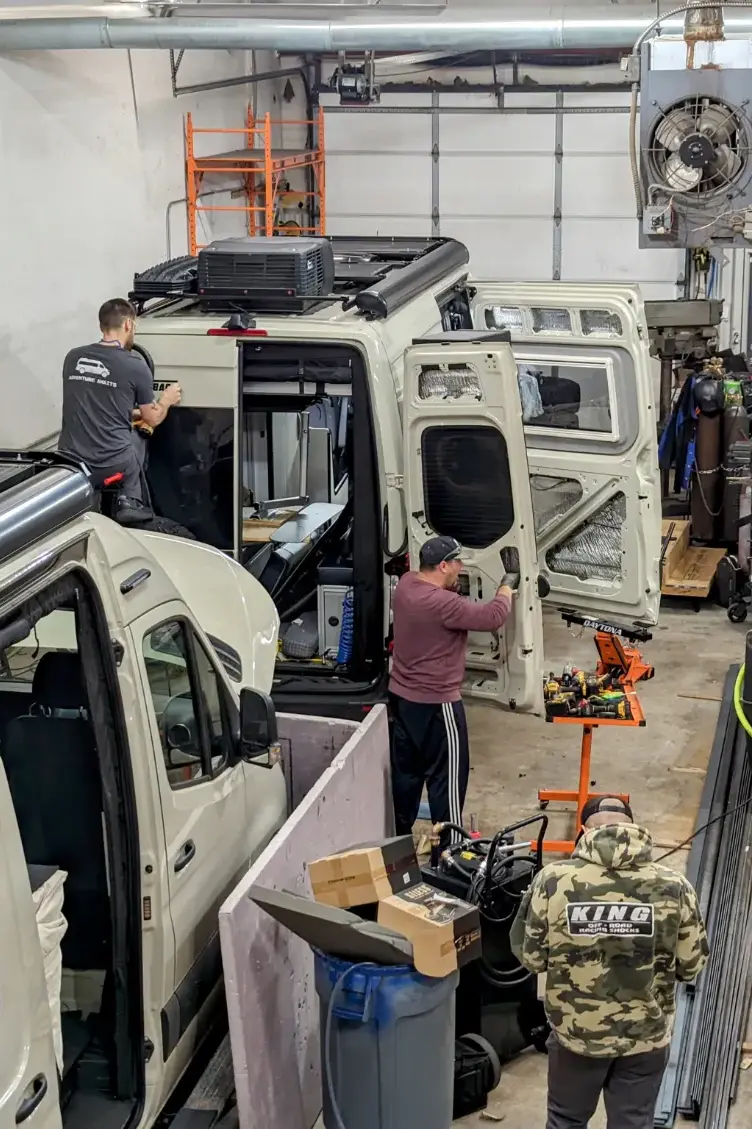
Overland Design-Build specializes in upgrades and integration for Winnebago Revels and supported Sprinter-based RVs.
Start with the vehicle, its configuration, and the result you want to improve so ODB can define a supported scope.
Winnebago Revel & Sprinter RV Insulation And Sound Deadening
Noise and temperature discomfort can make a capable RV tiring to use. Road vibration travels through large metal panels, exterior temperature moves quickly through the body, and finished interiors can make the areas that need treatment difficult to reach. For a Winnebago Revel or supported Sprinter-based RV, an insulation or sound-deadening project therefore starts with access and scope—not with a promise to cover every hidden surface.
Overland Design-Build scopes targeted insulation and sound-deadening work for completed Revels and supported Sprinter-based RVs. The plan considers the customer’s goal, the current interior, panel access, nearby electrical or plumbing systems, condensation exposure, and the vehicle’s intended use. Some work fits a focused door, floor, or garage-wall service. Other work makes more sense while panels are already being removed for a larger upgrade. ODB states that boundary before the customer assumes a small visible area represents a full-vehicle treatment.
Insulation And Sound Deadening Are Different Jobs
Insulation supports thermal comfort and can provide some acoustic absorption. Sound-deadening material targets vibration, resonance, and road noise through the vehicle body. The two can work together, but they are not interchangeable. A quieting project should identify which panels are contributing to unwanted vibration and which accessible cavities are part of the insulation scope. A thermal-comfort project should identify the areas that can be reached responsibly and how the proposed work fits around the finished build.
That distinction keeps the quote honest. Adding insulation to one door does not turn the vehicle into a uniformly insulated shell. Adding sound-deadening material to a targeted panel does not eliminate every source of road noise. The staged page should name each installed area and intended result, then let the exact product or service record carry the fitment and configuration details.
Current Insulation Material and Scope
We no longer offer Havelock wool insulation. New quotes for this service use 3M Thinsulate where the vehicle and installation zone are supported. Some photos and wording on this page document earlier wool work; they do not show the material specified in a current quote. Please request a current quote to confirm the exact material, fitment, scope, and price.
For customers, the useful point is that insulation does not live in isolation. Wiring, plumbing, fasteners, service access, trim, and factory components still need to remain understood. Insulation should be installed in the quoted area without turning future access into a surprise. When another material or a different scope is more appropriate, the recommendation should say why rather than forcing every project into the same recipe.
Get an insulation and sound-deadening quote. Send the vehicle model and year, photos of the current interior, the areas you want treated, whether the panels are already coming out, and whether your priority is temperature comfort, road-noise reduction, or both. Request a Quote
Targeted Services For Real Access Points
The current storefront already identifies targeted installed scopes for front doors, a non-electric sliding door, rear doors, the cockpit floor, and Revel garage walls. Those named services are a clearer customer path than a generic “whole van” promise. Each product page should retain its own model-year and configuration controls. The service-page copy can explain how the scopes relate without flattening them into universal fitment.
Door and floor work can be useful when those are the customer’s problem areas and the vehicle matches the product record. Garage-wall treatment may be relevant on a Revel with the corresponding configuration. If the interior is already fully finished, the labor and risk of gaining access can change the recommendation. If panels are already coming out for other supported work, the insulation or sound-deadening scope may be easier to coordinate. The quote should make that sequencing visible.
The Best Time Is Before The Interior Closes
The most straightforward time to add insulation or sound-deadening material is before finished walls, ceiling panels, cabinetry, and trim close the work area. It can also be scoped during a refresh or larger upgrade when panels are already being removed. On a completed vehicle, standalone work is evaluated case by case. The practical answer depends on how finished the interior is and which systems must be protected or accessed.
This is why ODB asks for photos and build context before quoting. A customer may describe a noise behind one panel, but the actual access path may involve adjacent trim or systems. A request for “more insulation” may be limited by a finished assembly that should not be disturbed without a clear benefit. The shop should define what can be reached, what will be removed, what will be installed, and what remains outside the scope.
Integration Matters After The Material Disappears
Insulation and sound-deadening work becomes hard to inspect once the vehicle is reassembled. The durable value is therefore in the documented scope and the care taken around the rest of the vehicle. ODB approaches the work as an integration task: protect nearby systems, retain necessary access, treat the approved areas, and reassemble the vehicle around the supported service plan.
The customer should leave the quote process knowing which areas are included, which materials or service products are proposed, what outcome the work targets, and what the job does not claim to solve. Where photos or other installation evidence are retained, they can support the final record before panels close. That is more useful than broad language about a “four-season” result without a defined assembly or test basis.
Why Owners Bring This Work To ODB
ODB specializes in upgrades and integration for Winnebago Revels and supported Sprinter-based RVs. The shop understands that a completed RV is not an empty cargo shell: factory trim, existing equipment, prior work, access limits, and platform-specific fitment all shape the project. That context helps turn a general comfort complaint into a bounded service scope.
The recommendation may be a targeted installed product, work coordinated with another upgrade, or a decision that more verification is needed before panels come apart. Those limits are a feature of responsible scoping. ODB’s job is to match the work to the vehicle and use case, not to sell a universal material package.
Plan The Next Step
Tell ODB what you drive, what the interior looks like now, where the discomfort or noise is most noticeable, and what other work is planned. ODB can then identify a supported targeted service, coordinate the scope with accessible areas, or explain what must be inspected before a responsible quote is possible.