Winnebago Revel & Sprinter RV Suspension Upgrades
Fitment-aware suspension recommendations for completed Revels and supported Sprinter-based RVs, scoped around vehicle weight, configuration, and the problem you want to solve.
Mercedes-Benz Sprinter Suspension Upgrades
Start with the vehicle configuration, finished weight, and the handling or load-support problem you want to address.
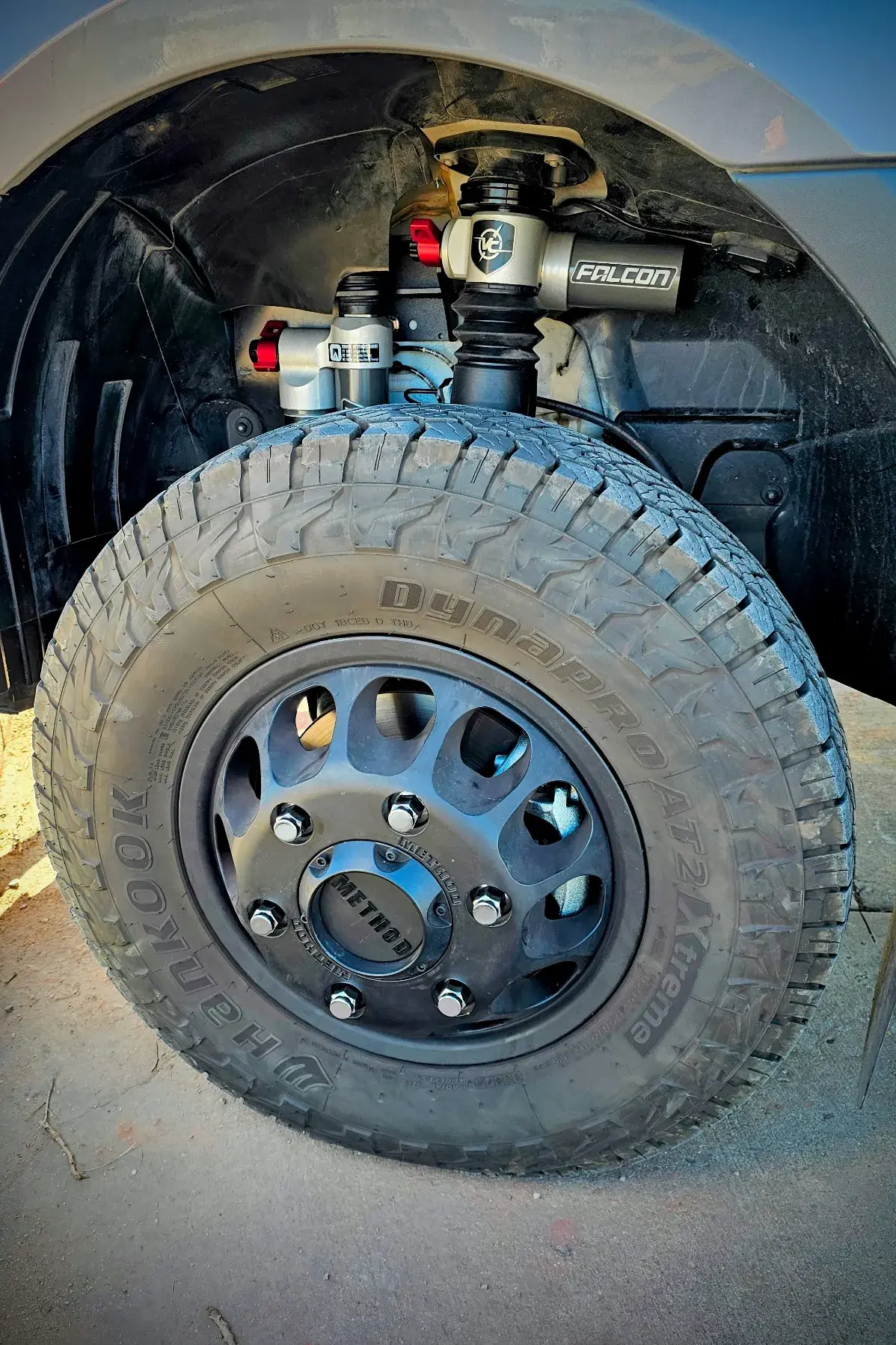
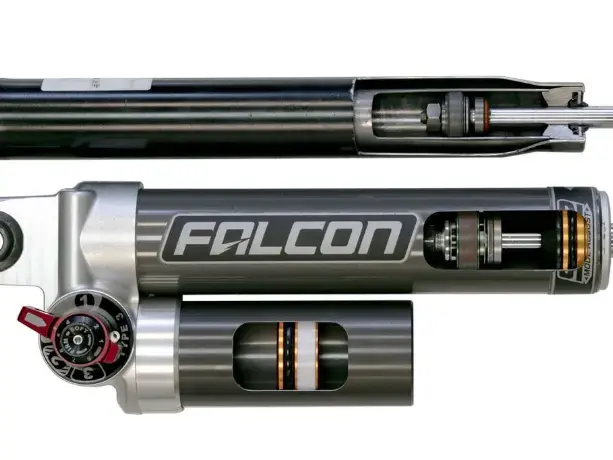
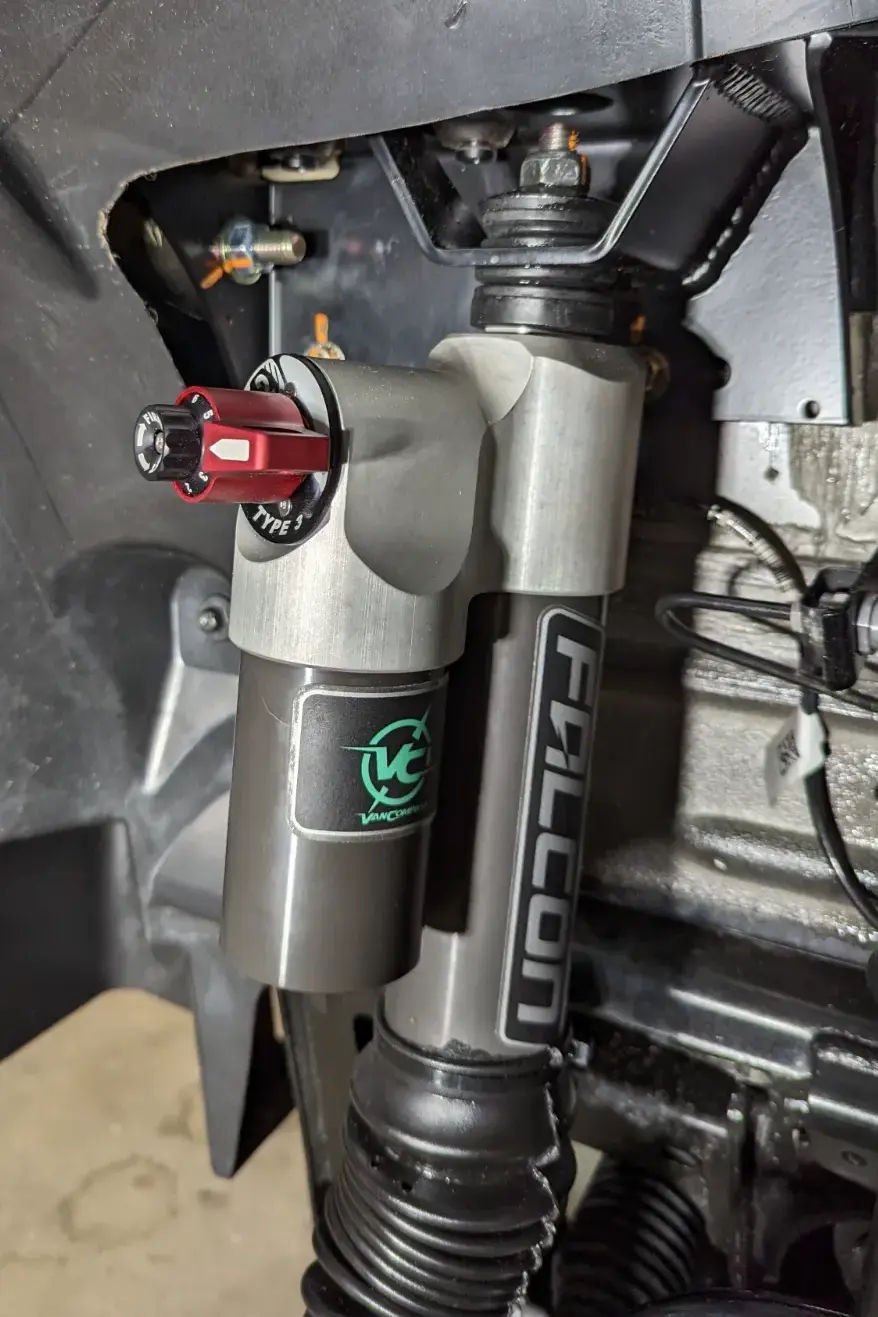
Van Compass Stage 4.3
Suspension Upgrade
Start with the vehicle configuration, finished weight, and the handling or load-support problem you want to address.
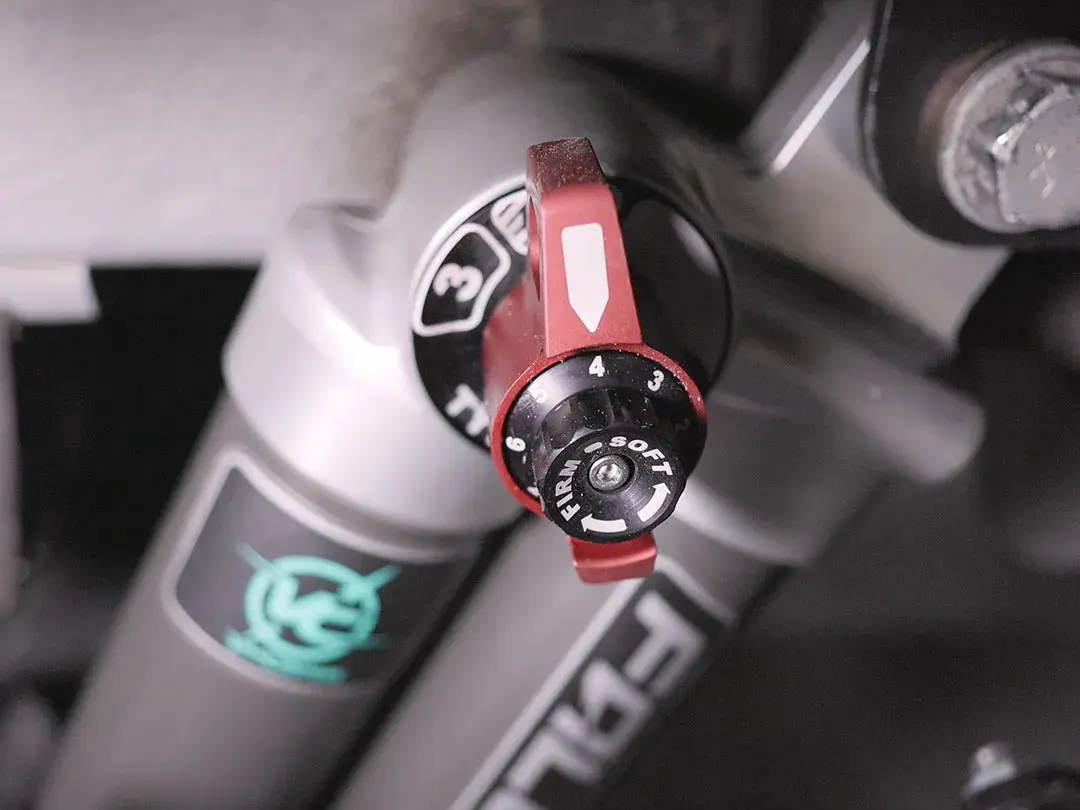
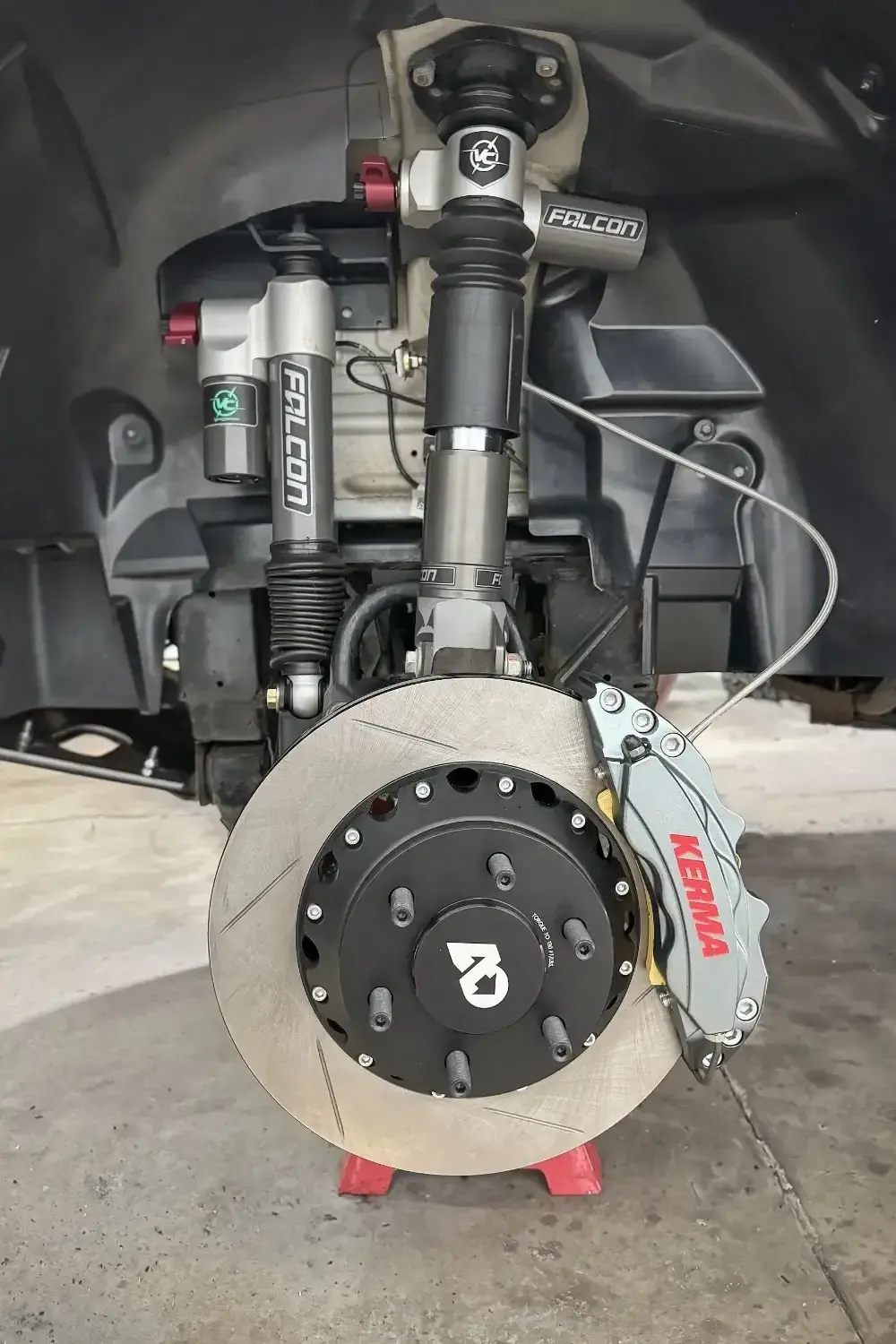
Engineered to reduce body roll, absorb harsh terrain, and enhance stability, the Stage 4.3 kit transforms your van’s handling both on and off the pavement.
Experience a smoother ride, better articulation, and improved load management, making every adventure more enjoyable!
Custom Tailored Solutions
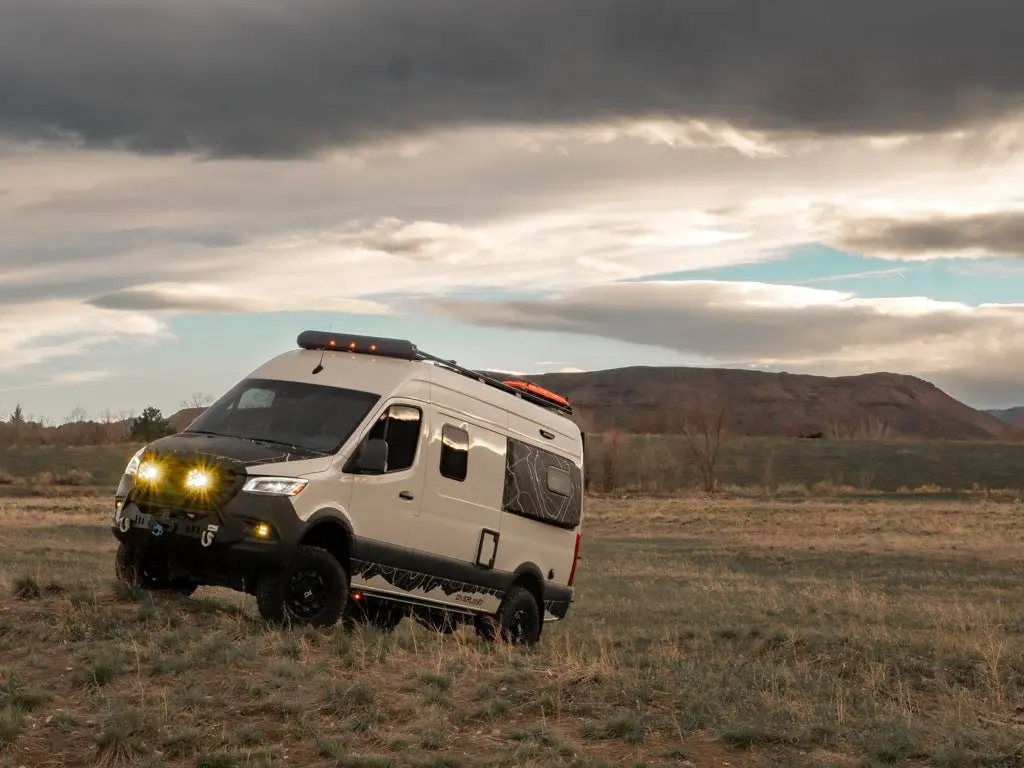
Overland Design-Build specializes in upgrades and integration for Winnebago Revels and supported Sprinter-based RVs.
Start with the vehicle, its configuration, and the result you want to improve so ODB can define a supported scope.
Winnebago Revel & Sprinter RV Suspension Upgrades
A completed Winnebago Revel or Sprinter-based RV carries weight very differently from an empty cargo van. Water, batteries, cabinetry, storage, passengers, exterior accessories, and travel gear all affect how the vehicle sits and responds. Owners often notice the result as rear sag, excessive movement, harsh feedback on broken pavement, or a van that feels more demanding to manage in wind and on uneven roads. The useful question is not “What is the biggest kit?” It is “What combination fits this vehicle, its finished weight, and the way it is actually used?”
Overland Design-Build specializes in upgrades and integration for Winnebago Revels and supported Sprinter-based RVs. Suspension work is scoped around the owner’s stated problem, the vehicle configuration, and verified fitment. ODB does not treat every Sprinter RV as an interchangeable shell or promise that one package will produce the same result on every build. A daily-driven Revel with permanent build weight can need a different recommendation from another Sprinter RV with different equipment, load distribution, tires, or travel plans.
Start With The Vehicle You Actually Drive
The quote starts with facts. ODB asks for the platform, model year, drivetrain, current or planned build weight, tire and wheel setup, ride-height concerns, and the handling or load-support problem the owner wants to address. Photos and measured ride height may help clarify the starting point. When additional weight information is needed to choose or configure a component, that requirement belongs in the recommendation instead of being guessed around.
This intake matters because similar symptoms can have different causes. Rear sag may point toward load support, but the finished weight and configuration determine which options deserve consideration. Movement in wind, body roll, harshness, and repeated bottoming are different complaints even when an owner summarizes all of them as “the suspension feels wrong.” Tires, alignment, worn components, or prior modifications may also affect the driving experience. ODB’s role is to define the supported upgrade scope and state what the proposed work is intended to change without promising a universal result.
Selected Alcan, Van Compass, And Agile Off Road Solutions
ODB scopes and installs selected Alcan, Van Compass, and Agile Off Road suspension solutions when the platform, configuration, and use case fit the offering. These are named options, not a promise that every component from every catalog fits every vehicle. The recommendation may focus on load support, damping, ride-height correction, or a more complete package, depending on the starting condition and desired outcome.
The current storefront highlights the Van Compass Stage 4.3 system for compatible Sprinter applications. Other supported scopes may use selected Alcan or Agile Off Road components. Final fitment must stay attached to the exact product, vehicle configuration, and manufacturer requirements. If an option is not supported for the customer’s model year, drivetrain, weight, or existing hardware, the page should make that limit easier to understand—not hide it behind a broad keyword list.
Get a suspension quote. Send the model year, drivetrain, current or planned build weight, tire setup, photos of the vehicle’s stance, and the problem you want to solve. ODB can then narrow the conversation to supported options that fit the actual vehicle. Request a Quote
A Package, Not A Parts Contest
More parts do not automatically produce a better outcome. Springs, shocks, auxiliary load-support components, brackets, and related hardware each do a different job. The correct scope may be one targeted change or a coordinated package. ODB evaluates how the components work together and how the proposed change relates to the vehicle’s existing setup. That is more useful than stacking catalog stages without a clear reason.
The written quote should name the exact product or package, the supported fitment, the intended outcome, and any assumptions the recommendation depends on. It should also keep exclusions visible. Suspension work is not a substitute for correcting an unrelated maintenance problem, an overloaded vehicle, or an unsupported prior modification. If another inspection, measurement, alignment, or related service is needed, it should be identified before the customer treats the estimate as a guaranteed final result.
What “Better” Means For This Vehicle
Owners usually come to this page because they want a more settled vehicle, improved support for permanent load, less unwanted movement, or more confidence on the roads they actually travel. Those are valid goals, but the expected change must be tied to the chosen components and the starting condition. The staged page should describe the target outcome in plain language and avoid absolute statements such as “eliminates sway,” “fixes sag,” or “safer ride” unless a named offering has retained evidence that supports the claim.
Before-and-after proof should be concrete when it is available: measured ride height, documented vehicle weight, the installed package, configuration notes, and owner feedback attributed to the relevant vehicle. A generic off-road photo is not proof of load support or handling. This page can explain the decision process now and add stronger case evidence later when the supporting record is ready.
Why Owners Bring This Work To ODB
ODB’s value is platform context and integration judgment. The shop works on completed Revels and supported Sprinter-based RVs where access, added systems, permanent weight, existing modifications, and owner use all affect the scope. The recommendation is built around those constraints. The result is a quote that identifies a supported path instead of asking the owner to translate a parts catalog into a vehicle plan alone.
That does not mean every van needs an upgrade or that every requested component should be installed. Honest limits are part of the service. If the available evidence does not support a product for the vehicle, ODB should say so. If more information is needed, the quote process should collect it. The goal is a fitment-aware recommendation with a clear purpose, not a universal promise.
Plan The Next Step
Start with the vehicle and the problem, not a stage number. Tell ODB what you drive, how it is configured, what weight it carries, and what behavior you want to improve. ODB will use that information to identify a supported suspension scope or explain what must be verified before a recommendation is responsible.